Are all stainless steel insulated water bottles lead-free?
The short answer is NO.
Actually, a huge chunk of the insulated bottles on the market right now are not 100% lead-free due to the vacuum sealing process.
As a buyer, this can be a confusing topic. Let’s break down exactly how to build a truly lead-free stainless steel insulated water bottle, and the realities of sourcing them in China.
First: Clarifying “Food Safe” vs. “Lead-Free”
Before we dive into manufacturing, we need to clear something up. There’s a big difference between “Food Safe” and “100% Lead-Free.”
Food Safe generally means the materials touching the actual drink meet regulations like FDA (USA) or LFGB (Europe). If you want to know more about Food Safe Regulation, you may refer to this post: The Guide to Food Safe Certification of Stainless Steel Water Bottles
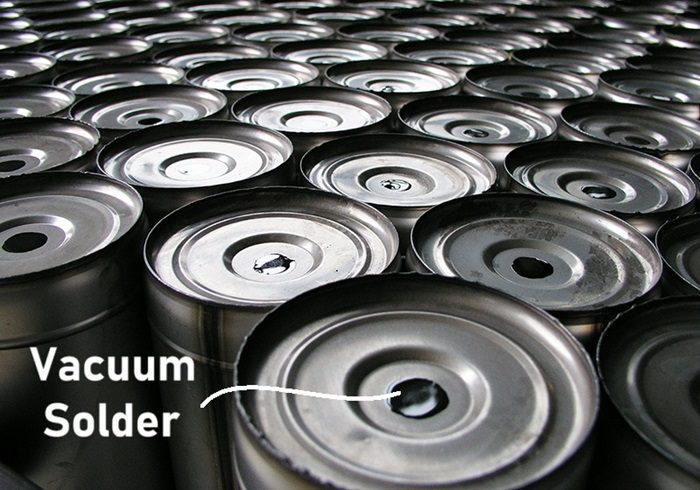
When industry people talk about “lead” in water bottles, we are almost always talking about the sealing dot on the outside bottom of the bottle, between the layers. It doesn’t touch the water.
However, today’s consumers are worried about any potential lead exposure (like if the bottom cap gets damaged) or environmental lead precipitation during manufacturing. That’s why the demand for 100% lead-free is growing.
The Culprit: The Vacuum Seal
We know vacuum insulation is essential for keeping drinks hot or cold. If you flip a standard s/s insulated bottle over, you’ll usually see a cap or a dent in the center of the bottom. Underneath that is the vacuum processing hole.
After the air is sucked out between the layers, that hole needs to be sealed tight.
Why aren’t most bottles 100% lead-free? Because for decades, the easiest and cheapest way to seal that hole was using a lead-based soldering material. It works well, but it contains… well, lead.
How to Build a Lead-Free Stainless Steel Water Bottle
To build a bottle that is truly 0% lead, you have to change the manufacturing process in two critical ways.
Changing the Sealing Material
The most critical step is ditching the traditional lead solder. We replace it with lead-free alternatives to seal the vacuum between the inner and outer layers.
The best standard alternative right now is using glass beads. Some high-end processes use stainless steel beads or special lead-free brazing alloys, but glass is the most common “lead-free” solution.
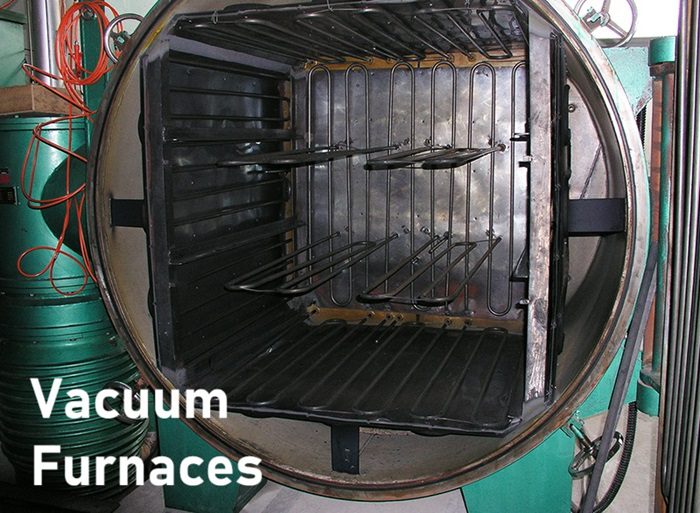
The Environment: Dedicated Vacuum Furnaces
This is the part many buyers don’t realize. You can’t just switch the soldering material; you need a “clean” environment.
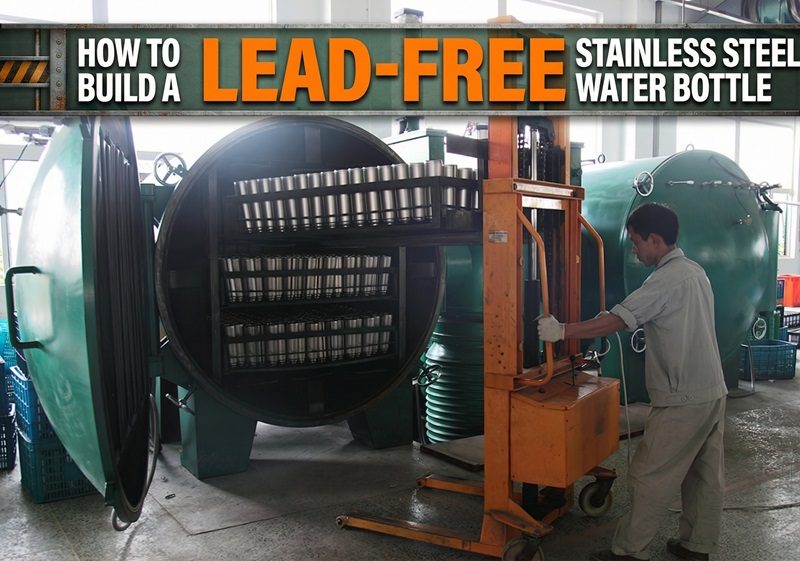
To be truly lead-free, the factory must use an independent vacuum furnace dedicated only to lead-free production. If you put lead-free bottles into a furnace that just ran a batch of lead-soldered bottles, you risk cross-contamination from lead vapor inside the oven.
The Sourcing Reality Check
From a manufacturing standpoint, point #1 is easy. Finding reliable sources for glass beads isn’t hard.
Point #2 is where it gets tricky for buyers.
Honestly, many bottle factories in China share vacuum furnaces, either within their own facility or with cooperating partner factories. They run massive batches all day long.
They often cannot—or will not—stop their main production lines to clean out a furnace just to run a smaller batch of lead-free product. It’s too disruptive to their efficiency. Even top-tier manufacturers might hesitate to accept lead-free orders unless you have a large, consecutive order volume.
If your MOQ is low (say, under 3,000 or 5,000 pcs), it can sometimes be hard to find the right manufacturer willing to support true lead-free production with dedicated furnaces.
Beyond the Solder: Other Risks
While the soldering dot is the main discussion point for lead, to pass strict FDA or LFGB heavy metal leaching tests, you also need to ensure the basic materials are up to spec.
Failures in food-safe testing usually happen because a factory tried to cut corners using recycled plastics or unqualified stainless steel (like cheap 201 instead of 304).
To ensure the bottle is totally safe from lead or other heavy metals precipitating into the drink, stick to these basics:
- Always use fresh, non-recycled plastic materials for lids.
- Use certified food-safe silicone seal rings.
- Use 304 (18/8) stainless steel at a minimum for the inner shell.
Conclusion
As a professional supplier of stainless steel insulated water bottles here in China, we see the market shifting. We have plenty of experience producing standard food-safe bottles, but we also have the capability to handle genuine lead-free orders for clients who require it.
It’s a different process, but it’s doable with the right partner. If you are interested in developing an insulated water bottle lead-free, welcome to contact us to discuss the MOQs and process.